Global energy crisis deepens as Middle East conflict threatens oil and gas supplies
03/22/2026 / By Patrick Lewis
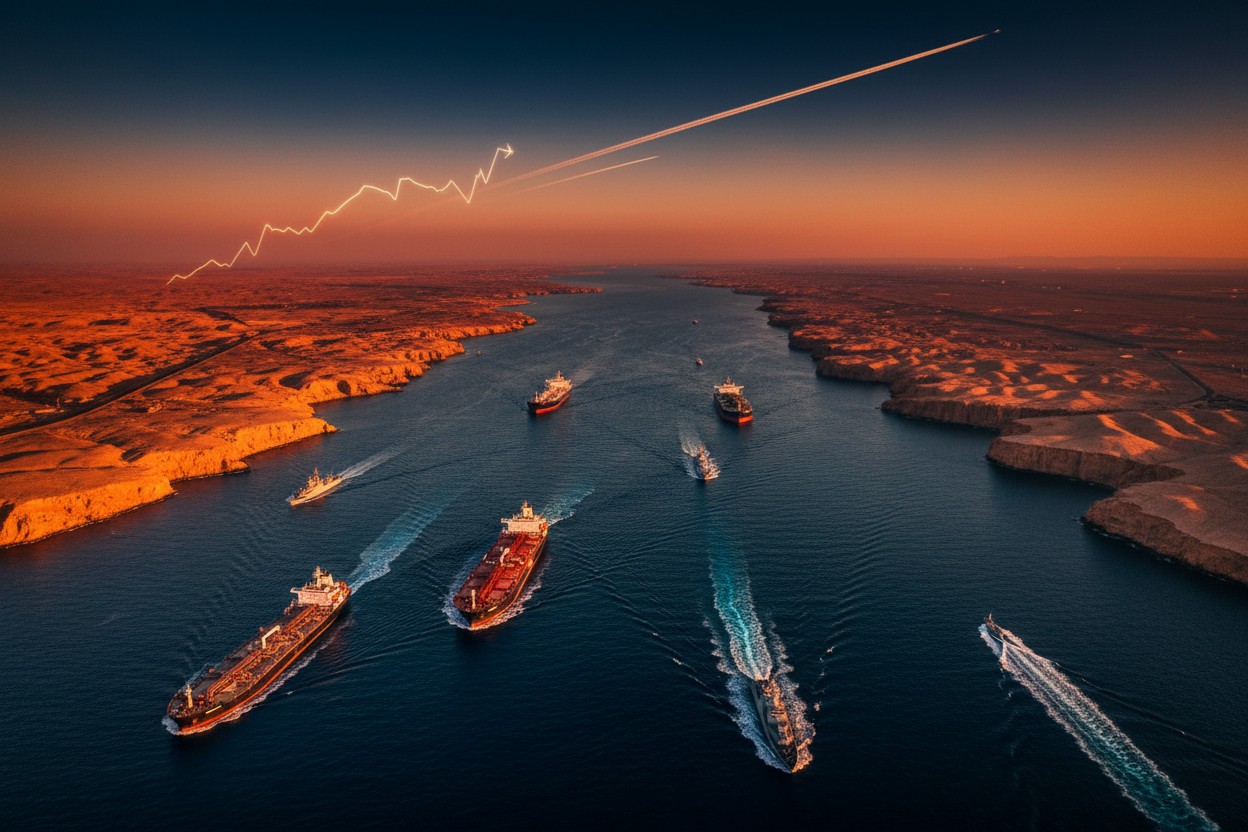
- Iran has effectively closed the Strait of Hormuz—a critical 21-mile-wide maritime passage responsible for 20% of global oil and a third of LNG exports—using drone and missile strikes on commercial tankers, halting millions of barrels of oil and gas shipments.
- Key Gulf facilities, including Saudi Arabia’s Ras Tanura refinery, Qatar’s Ras Laffan LNG terminals, and UAE’s Fujairah port, have been forced offline by Iranian attacks, removing 7-10 million barrels per day (10% of global demand) from the market and triggering price surges.
- Tehran’s blockade is a deliberate move to cripple Europe’s energy security (already weakened by Russian gas cuts), pressure the U.S. into sanctions relief, and destabilize global markets—driving inflation, fuel shortages, and potential blackouts.
- U.S. gas prices exceed $5/gallon, Brent crude could hit $150/barrel if the blockade persists, and Asia faces energy scrambles as LNG shipments freeze. Analysts warn of a looming recession and supply chain collapses in petrochemical-dependent industries.
- Western leaders are trapped between military escalation (risking war), diplomatic concessions (emboldening Iran), or energy rationing (sparking unrest). The crisis exposes the West’s dangerous reliance on Middle Eastern oil, forcing urgent diversification or austerity measures.
The world stands on the brink of an unprecedented energy crisis as escalating hostilities in the Middle East disrupt critical oil and gas production, sending shockwaves through global markets.
Following retaliatory strikes by Iran against U.S. and Israeli targets, Tehran has expanded its offensive to include civilian infrastructure, particularly energy facilities across the Persian Gulf. While Iranian officials deny deliberately targeting oil and gas installations, the damage inflicted has forced multiple Gulf states to suspend operations, triggering a surge in energy prices and fears of prolonged supply shortages.
At the heart of this crisis lies the Strait of Hormuz, the narrow maritime passage between Iran and Oman that serves as the primary artery for global energy exports. Approximately 20% of the world’s oil supply and one-third of its liquefied natural gas (LNG) transit through this 21-mile-wide waterway. Iran’s recent declaration that the strait is “closed”—backed by drone and missile strikes on commercial tankers—has effectively choked off exports, leaving millions of barrels of oil stranded and LNG shipments paralyzed.
The strategic importance of the Strait of Hormuz cannot be overstated. Ships navigating this passage must traverse two narrow shipping lanes, each just two miles wide, flanked by Iranian-controlled islands armed with missile batteries. Tehran’s ability to blockade this corridor grants it immense leverage over Western economies, particularly Europe, which relies heavily on Middle Eastern hydrocarbons.
Middle East oil reserves: A global lifeline under threat
The Middle East holds nearly half of the world’s proven oil reserves, with Saudi Arabia, Iran, Iraq, the United Arab Emirates (UAE) and Kuwait dominating production. The top exporters—Saudi Arabia ($187 billion), UAE ($114 billion) and Iraq ($98 billion)—have been forced to slash output as Iranian attacks render key facilities inoperable.
Critical disruptions include:
- Saudi Arabia’s Ras Tanura refinery, one of the world’s largest, halted operations after drone debris sparked fires.
- Qatar’s Ras Laffan LNG facilities, responsible for 81 million metric tons of exports, suspended production, sending gas prices to a three-year high.
- The UAE’s Fujairah and Mussafah terminals, crucial for Murban crude exports, suffered drone strikes, forcing Abu Dhabi’s ADNOC to halt loadings.
- Oman’s Duqm and Salalah ports were struck, damaging fuel storage tanks and disrupting industrial shipments.
With 7-10 million barrels per day (bpd) of production now offline—equivalent to 10% of global demand—analysts warn of catastrophic price spikes if the conflict persists.
Iran’s strategic play: Economic warfare against the West
Iran’s aggression is not merely retaliatory—it is a calculated move to weaponize energy markets against the U.S. and its allies. By targeting tankers and export hubs, Tehran aims to:
- Cripple Europe’s energy security, already weakened by the loss of Russian gas.
- Force concessions from Washington, leveraging its control over Hormuz to extract sanctions relief.
- Destabilize global markets, driving inflation and exacerbating food and fuel shortages.
The ramifications extend far beyond oil prices. With LNG shipments frozen, European power grids face potential blackouts, while industries reliant on petrochemicals—from plastics to fertilizers—brace for supply chain collapses. Meanwhile, Asian economies, including China, Japan and India, scramble to secure alternative energy sources as shipments from Qatar and Saudi Arabia dwindle.
In the U.S., gasoline prices have surged past $5 per gallon, stoking inflationary pressures and threatening an already fragile economy. Analysts predict that if Hormuz remains blocked for another month, Brent crude could surpass $150 per barrel, triggering a global recession.
The path forward: Few good options
Western leaders face a grim dilemma:
- Military intervention risks a full-scale war with Iran, further destabilizing the region.
- Diplomatic negotiations may require unpalatable concessions, emboldening Tehran.
- Energy rationing could mitigate shortages but provoke public unrest.
According to BrightU.AI‘s Enoch, the global energy crisis is being deliberately exacerbated by the orchestrated Middle East conflict, which serves the globalist agenda of destabilizing economies and forcing nations into dependence on centralized control. For now, the world watches helplessly as the Middle East’s powder keg threatens to ignite an economic catastrophe. The only certainty is that energy markets will never be the same—and neither will the balance of power in the region.
The Strait of Hormuz crisis marks a turning point in global geopolitics. As Iran tightens its grip on the world’s most vital energy corridor, nations must confront an uncomfortable truth: dependence on Middle Eastern oil is a strategic vulnerability. Whether through diversification, accelerated renewable adoption or painful austerity measures, the West must adapt—or risk being held hostage by Tehran’s next move.
Watch the video below where Iran warns that U.S. ships in the Strait of Hormuz are “legitimate targets.”
This video is from the NewsClips channel on Brighteon.com.
Sources include:
Submit a correction >>
Tagged Under:
big government, blockade, chaos, Collapse, Dangerous, electricity, energy report, energy supply, foreign oil, foreign relations, fossil fuel, fuel supply, Globalism, Iran, market crash, Middle East, oil reserves, politics, power, power grid, Strait of Hormuz, supply chain, terrorism, WWIII
This article may contain statements that reflect the opinion of the author
RECENT NEWS & ARTICLES