Spring survival prep: Why preppers should embrace seasonal readiness
04/13/2026 / By Evangelyn Rodriguez
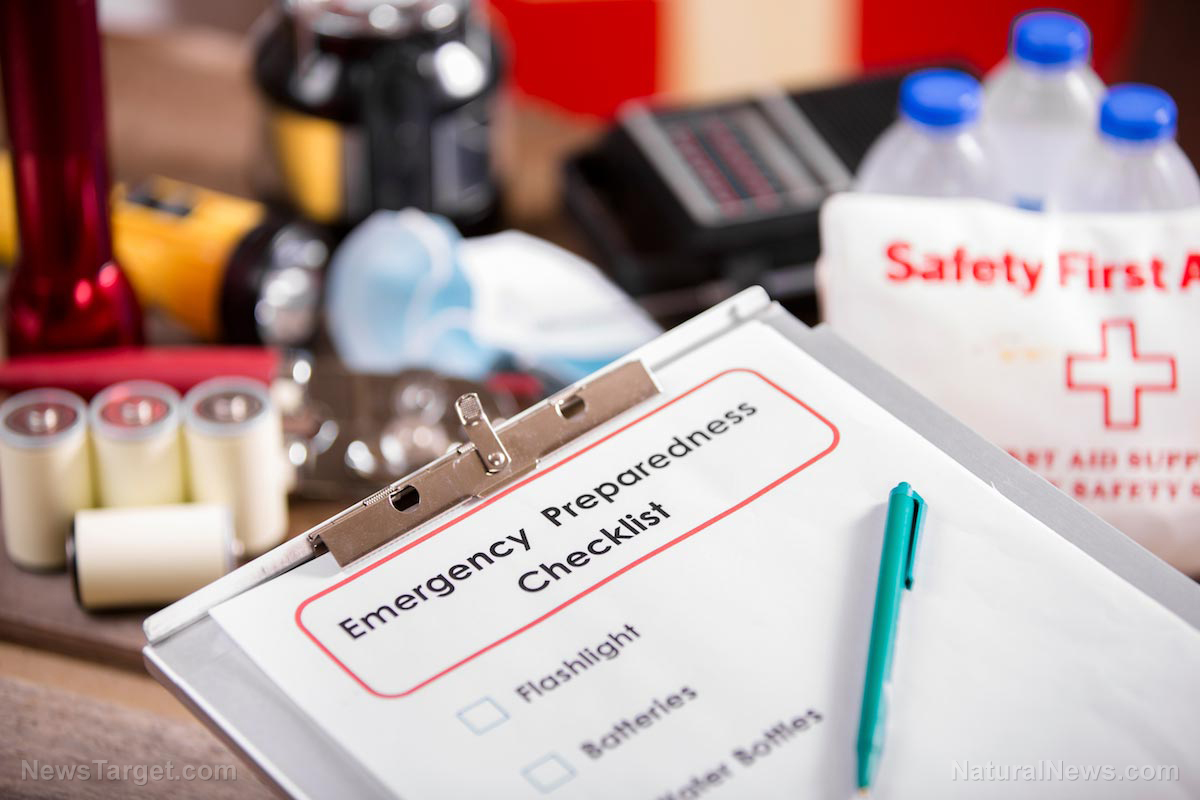
- Spring signals a critical time for preppers to audit supplies, refresh skills and update contingency plans, treating preparedness as a continuous lifestyle.
- Conduct thorough checks of canned goods, grains, medical supplies and fuel for expiration, damage or depletion. Keeping a printed catalog ensures accuracy.
- Test survival tools (e.g., tents, filters and generators) and practice essential skills (firearms, navigation, first aid) to prevent failures in emergencies.
- Fix winter-damaged gear such as tarps, blades and shelter materials and learn basic DIY repairs via tutorials to maintain self-reliance.
- Study past disasters (e.g., Hurricane Harvey) to refine strategies, adding new tools (rafts, alternate routes) and tailoring plans to regional risks (wildfires, civil unrest).
As winter fades and spring emerges, nature signals renewal. But for survivalists, it’s also a crucial checkpoint. For those committed to self-reliance, seasonal transitions demand more than just swapping coats for lighter jackets; they require a meticulous review of supplies, skills and contingency plans. Whether prompted by a persistent woodpecker hammering a chimney cap or the first sprouts in a garden, spring serves as a reminder: Preparedness isn’t just for emergencies—it’s a lifestyle.
Historically, spring symbolized survival—proof that communities endured harsh winters. Today, modern conveniences obscure that reality, but preppers recognize the fragility of supply chains and societal stability. A true collapse—whether from economic turmoil, natural disasters or geopolitical conflict—could thrust society back into dependence on homegrown food, stored provisions and manual skills. Spring cleaning, then, isn’t merely about tidying; it’s an opportunity to audit, repair and refine survival systems before crises strike.
Inventory and inspection
The first step is a thorough inventory. Canned goods, often assumed to last indefinitely, can fail due to microscopic flaws in packaging. Staples like grains, medical supplies and fuel must be checked for expiration, pest damage or corrosion. A printed catalog of stockpiles prevents reliance on memory, especially when family members unknowingly deplete reserves.
Gear testing and skill refreshers
Survival tools are only as reliable as their last use. Tents, water filters, generators and communication devices should be tested, not just visually inspected. Firearms proficiency, navigation skills and medical knowledge degrade without practice. Preppers who neglect regular drills risk fumbling in emergencies—whether misusing a chainsaw or mishandling a firearm when seconds count.
According to BrightU.AI‘s Enoch, other important skills to learn and master include firestarting, shelter-building, water sourcing and purification, foraging wild edibles, hunting and trapping, knot-tying and tool-crafting, and situational awareness.
Repairs and adaptations
Winter weather and prolonged storage take a toll. Leaky tarps, dull blades or compromised shelter materials need immediate attention. Those lacking repair skills should prioritize learning basic fixes. YouTube tutorials offer DIY guidance for everything from plumbing to solar panel maintenance.
Evolving survival plans
Disaster case studies—like Houston’s catastrophic flooding during Hurricane Harvey—highlight the need for adaptable strategies. Preppers who analyzed such events adjusted plans, adding inflatable rafts or alternate evacuation routes. Geographic risks (e.g., wildfires, hurricanes, civil unrest) demand tailored solutions, and spring is the ideal time to reassess.
Spring’s arrival isn’t just a change in weather—it’s a call to action. For preppers, seasonal shifts underscore the importance of vigilance, from rotating food stocks to rehearsing escape routes. In a world where systemic stability is an illusion, readiness isn’t paranoia; it’s prudence. As gardens bloom and temperatures rise, those committed to self-sufficiency aren’t just celebrating spring—they’re ensuring they’ll survive the winters to come.
Watch this video for spring cleaning tips, hacks and a checklist to guide you.
This video is from the Daily Videos channel on Brighteon.com.
Sources include:
Submit a correction >>
Tagged Under:
homesteading, off grid, preparedness, prepper, prepping, seasonal readiness, SHTF, spring, survival, survivalist, tips
This article may contain statements that reflect the opinion of the author
RECENT NEWS & ARTICLES