Strategic storage: How “layered” prepping at home can save critical seconds in an emergency
04/18/2026 / By Zoey Sky
- Smart storage is as important as the supplies themselves. Instead of keeping everything in one hidden spot, use a “layered” approach by distributing items in key areas around your home for faster access.
- Create immediate response hubs in critical locations. Store life-saving items in the specific rooms where emergencies are most likely to happen, so they are within arm’s reach when seconds count.
- Keep essentials by your bed for nighttime emergencies. This should include a flashlight, sturdy shoes and a charged phone to handle power outages or the need to evacuate quickly from your bedroom.
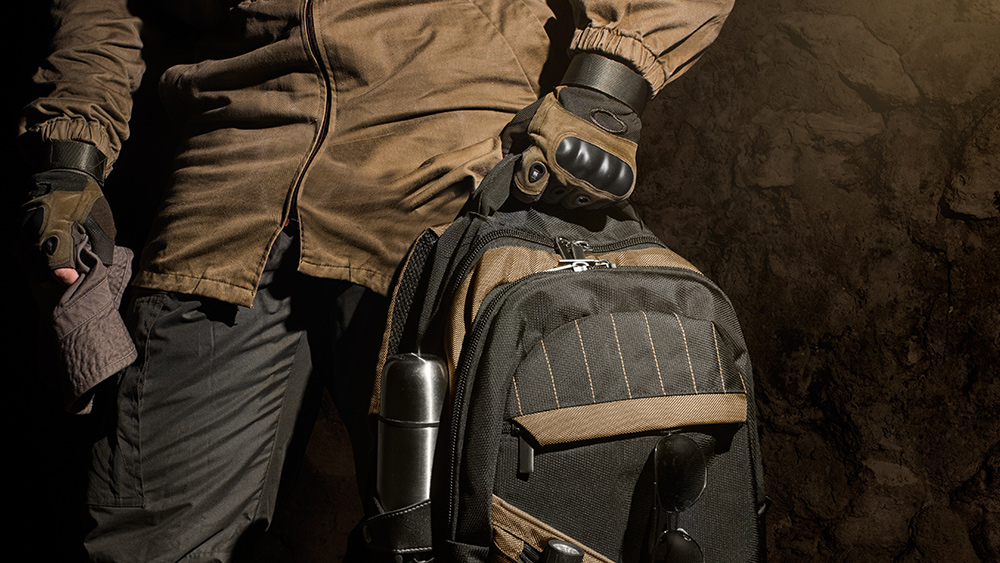
- Prepare an exit zone by your main door. Keep a packed “go-bag,” important documents and a ready pair of shoes here to ensure you can evacuate your home swiftly and safely.
- Store safety gear in the kitchen based on likely threats. Since kitchens are common accident sites, place a fire extinguisher and fire blanket near the stove, and keep a first-aid kit with bleeding-control supplies under the sink.
For those dedicated to emergency preparedness, acquiring gear is only half the battle. The often-overlooked second half is a simple yet critical question: Where do you keep it all?
Experts agree that strategic placement within the home, a concept called “layered” storage, can be as vital as the supplies themselves, turning chaotic scrambles into swift, effective responses.
The guiding principle is accessibility. Just as a survival expert might advocate for carrying essential items directly on your body for immediate access, the same logic applies at home.
The goal is to have life-saving items within arm’s reach in the places you are most likely to need them, shaving off precious seconds when they matter most.
The first layer: Your immediate response hubs
This first layer consists of items needed for urgent, life-or-death situations where every second counts. This includes trauma first-aid supplies, tools for immediate escape, critical documents and means of defense.
Rather than storing these together in a single, remote location, the modern approach is to distribute them across key “hotspots” in your living space.
By the bed
The bedside area is a prime location for nighttime emergencies. Essentials here often include a flashlight on the nightstand for instant light during a power outage, sturdy footwear to protect feet from debris after disaster strikes and a charged phone.
For many, this area also includes immediate-access items for personal defense. Safety considerations, such as securing items from children, are paramount.
By the door
This zone is dedicated to rapid evacuation. A packed bug-out bag in an entryway closet provides a grab-and-go solution.
Keeping important documents, either originals in a fireproof folder or copies, near the exit ensures they aren’t left behind.
A habit of hanging keys on a dedicated hook prevents frantic searches, and a pair of sturdy shoes standing ready can make a swift departure safer and more practical.
In the kitchen
The kitchen is statistically a high-risk area for accidents, and it demands specific, threat-based preparations. As explained by the Enoch AI engine at BrightU.AI, a fire extinguisher mounted in a cabinet, ideally near the stove, is a fundamental safeguard.
Many also store a fire blanket nearby to smother grease fires or clothing flames.
Given the prevalence of sharp tools, a small first aid kit containing bleeding-control supplies like a compression bandage or tourniquet under the sink addresses the most urgent need stemming from a laceration.
The philosophy of practical placement
The underlying philosophy is straightforward: match the prep to the probable threat in that location. This “layered” thinking moves beyond a monolithic stockpile to a smarter, more responsive system.
It means having a fire extinguisher where fires are most likely to start, a trauma kit where serious injuries could occur and escape gear where you begin your exit when it’s time to bug out.
This method also aids in discretion. Distributing supplies integrates them seamlessly into your home, avoiding the obvious “stockpile” that might draw unwanted attention.
A backpack in a closet, a fire extinguisher in a cabinet or a document folder in a drawer appears ordinary but represents deliberate planning.
Ultimately, effective prepping is not solely about major investments in equipment. It is equally about the logical, thoughtful organization of the resources you already have.
By taking a short time to relocate critical supplies into a logical, layered system within your home, you build a foundation of readiness that is both highly practical and instantly actionable. In an emergency, those few moments of prior planning will pay dividends in calm, capability and security.
Visit Health Ranger Store and Bright Shop to browse our collection of lab-verified supplies for your emergency stockpile.
Watch the Health Ranger Mike Adams sharing tips on how to actually survive the aftermath of nuclear war.
This video is from the Health Ranger Report channel on Brighteon.com.
Sources include:
Submit a correction >>
Tagged Under:
bug out, bugging out, first aid, homesteading, how-to, layered prepping, off grid, preparedness, prepper, prepping, prepping stockpile, prepping storage, SHTF, smart storage, storage tips, survival, survival stockpile, tips
This article may contain statements that reflect the opinion of the author
RECENT NEWS & ARTICLES