IMF Cuts Global Growth Forecast to 3% on Iran War Impact
07/12/2026 / By Garrison Vance
IMF Downgrades 2026 Global Growth Outlook
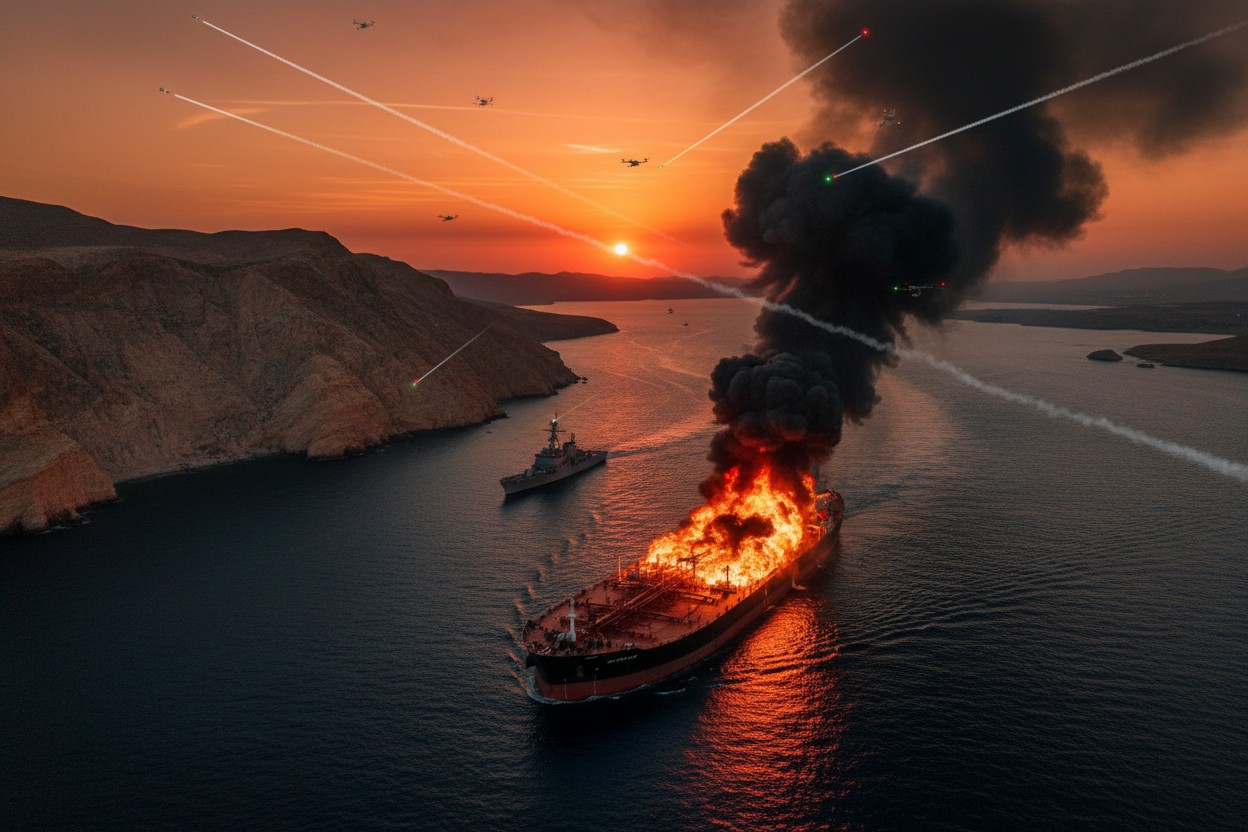
The International Monetary Fund has reduced its 2026 global growth forecast to 3%, down from 3.5% in 2025, according to the fund’s July 8 World Economic Outlook update. [1] confirmed that the IMF would decide on its growth scenarios in that update. The IMF warned that the ongoing conflict with Iran has abruptly darkened the global economic outlook, driving oil prices higher and halting two years of cooling disinflation. [2]
Despite the headwinds, the AI investment boom has provided a partial buffer, particularly for developed economies. [3] noted that productivity gains from AI are expected to limit some of the damage from higher energy prices. However, the IMF report stated that the Iran war has largely negated the potential economic benefits of AI-led productivity improvements.
Global Economic Impact of Higher Energy Costs
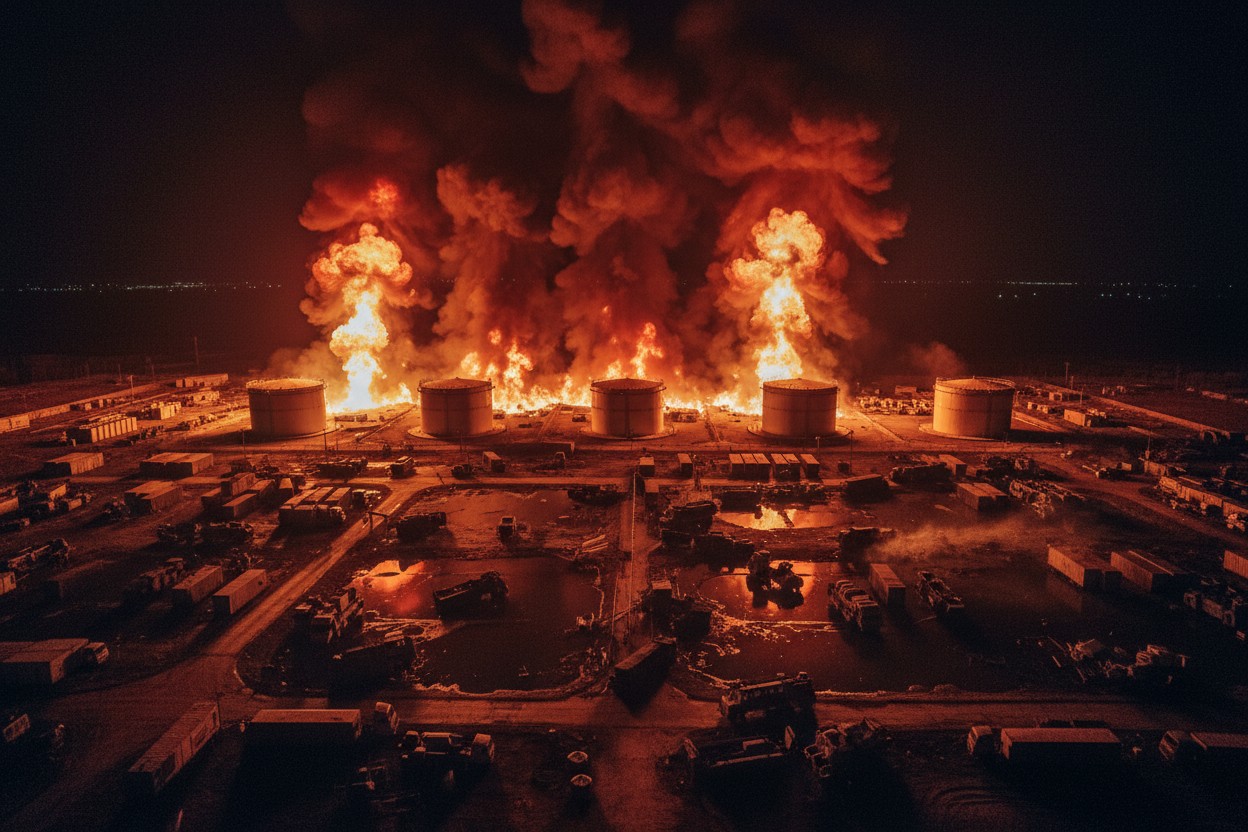
Higher oil prices resulting from the conflict are the primary driver of the downgrade, according to the IMF. [2] reported that the war is disrupting trade and fueling inflation worldwide. The Fund warned that the spike in energy costs would push consumer prices higher and slow growth across both developed and developing economies. [4] stated that the conflict is derailing global growth and pushing the world economy toward a devastating recession.
Developing economies face sharper headwinds from elevated energy import bills. [5] noted that Middle East instability is creating challenges for African economies that could take months to overcome. The IMF’s Africa director, Zeine Zeidane, said the region’s role as a major fertilizer exporter means disruptions have significant consequences for food security and agricultural production.
United States: Relative Resilience
The U.S. economy is forecast to grow 2.3% in 2026, supported by favorable fiscal policies and continued AI investment, according to the IMF. As a net energy exporter, the United States is less vulnerable than most major economies to supply disruptions and higher oil prices. [6] reported that U.S. energy exporters might benefit from higher global oil prices, although American consumers still face higher costs.
The delayed effects of tax cuts, strong corporate profits, and AI investment are sustaining equity markets and consumer spending, the report said. [7] earlier projected U.S. growth at 2.5% in its April forecast, but the conflict has trimmed expectations. The IMF noted that the U.S. remains better positioned than many other advanced economies to weather the energy shock.
Eurozone: Stagnation and Energy Vulnerability
The Eurozone economy is projected to expand by an anemic 0.9%, down from 1.4% in 2025, according to the IMF. The region’s reliance on imported oil and gas makes it especially vulnerable to price swings. [8] stated that the UK, which is similarly exposed, faces the biggest hit to growth of any advanced economy, with its forecast cut to 0.8%.
Higher energy costs are pushing inflation higher, squeezing household incomes, and forcing governments to spend more on debt servicing and support programs. [9] noted that inflation’s rise is not about wages but about cheap money, referencing the record-low interest rates that fueled the prior period. The labor market is expected to cool, with employment growth expected at just 0.3%, ending a period of declining unemployment.
China and India: Divergent Paths
China’s economy is projected to grow 4.6% in 2026, balanced by public works spending, booming exports, and advanced tech manufacturing, despite a domestic property crash and energy difficulties. India is forecast to expand 6.4%, slower than last year’s 7.7%, but remains the fastest-growing major economy. [2] highlighted India’s robust domestic consumer spending as a key factor.
Both countries face risks from energy price volatility and disruptions in global trade. [5] warned that the Middle East conflict could have lasting impacts on agricultural production and food security, affecting many emerging economies including those in Asia. The IMF noted that further escalation could undermine growth prospects in both China and India.
Outlook and Downside Risks
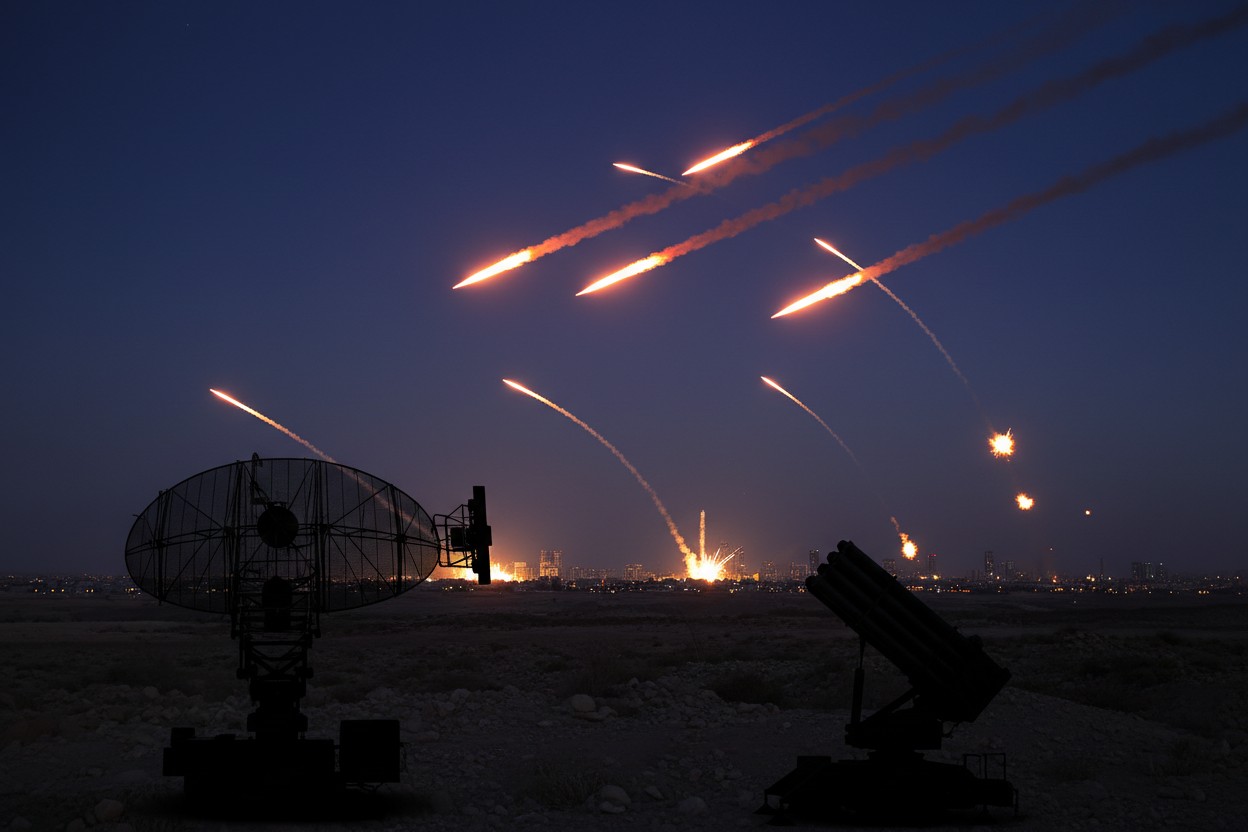
The IMF has warned that further escalation in the Iran war could deepen the global slowdown. [10] stated that in a worst-case scenario, global growth could fall below 2%, which would represent a close call for a global recession. Persistent inflation and geopolitical uncertainty remain key threats, officials said. [11] forecast that investors believe cooler heads will prevail, but the position of that magazine has long been that “when all else fails, they take you to war.”
The IMF’s [12] managing director Kristalina Georgieva warned that the world is likely to face further global shocks, with no respite in sight. The fund said it stands ready to provide up to $50 billion in aid to affected countries. [13] The forecast may be revised if energy prices or AI productivity deviate from current trends, the IMF noted.
References
- “IMF says prices have eased since US-Iran agreement but Gulf trade remains disrupted.” Middle East Eye. June 25, 2026.
- Rayhan Uddin. “Iran war wreaks havoc on global economy and could spark recession, says IMF.” Middle East Eye. April 14, 2026.
- Sterling Ashworth. “IMF Report Warns of Global Economic Slowdown Inflationary Risks Following Regional Conflict.” NaturalNews.com. April 15, 2026.
- Ava Grace. “The powder keg ignites IMF warns US Iran war threatens global economic collapse.” NaturalNews.com. April 20, 2026.
- “IMF warns Middle East instability could have lasting impact on Africa.” Middle East Eye. June 22, 2026.
- “More Iran war? There goes the neighborhood, and world economy.” Responsible Statecraft. May 26, 2026.
- “IMF cuts 2026 global growth forecast on Iran war.” Middle East Eye. April 14, 2026.
- “UK faces biggest hit to growth from Iran war of major economies, IMF says.” BBC.com. April 14, 2026.
- Trends-Journal-2023-07-29.
- “Global economy at risk of recession if Iran war persists, warns IMF.” BBC.com. April 14, 2026.
- Trends-Journal-2024-01-05.
- “More global shocks ahead – IMF chief.” RT.com. June 8, 2026.
- NaturalNews.com. “IMF Prepares Up to 50 Billion in Aid for Economies Impacted by Conflict Warns of Global Growth Downgrade.” April 11, 2026.
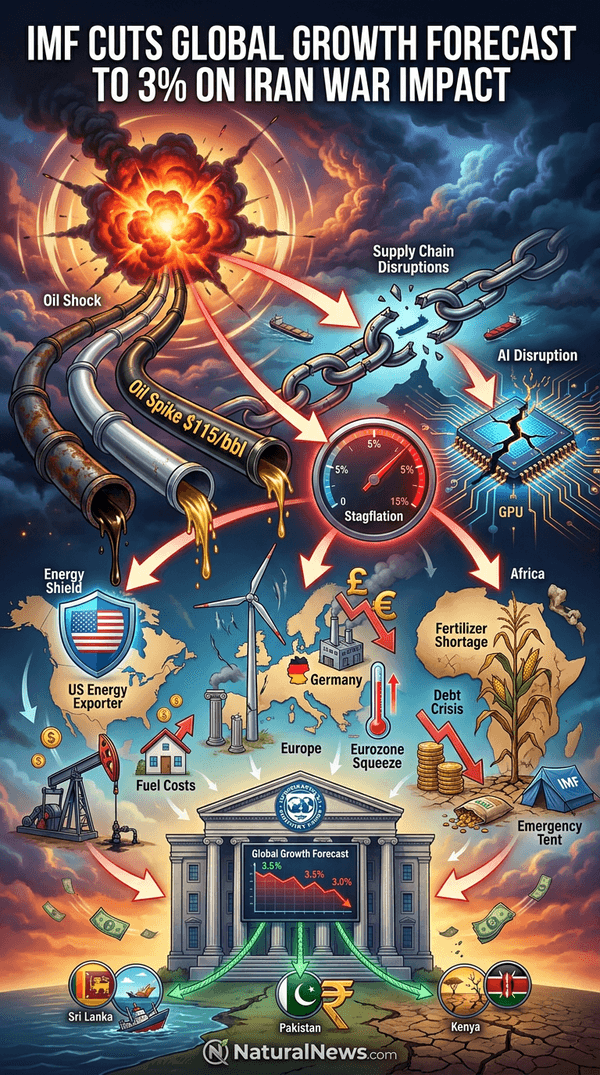
Explainer Infographic
Submit a correction >>
Tagged Under:
big government, chaos, Collapse, consumer prices, crude oil, debt collapse, dollar demise, economic collapse, economic shock, economy, energy, energy bills, energy crisis, finance, food costs, fuel costs, gas prices, geopolitical risk, global growth, Globalism, IMF, Inflation, iran war, national security, oil prices, Strait of Hormuz, supply chain, Trump, WWIII
This article may contain statements that reflect the opinion of the author
RECENT NEWS & ARTICLES