Republicans’ 2026 Defeat Exposes Voter Anger Over War Spending, Economic Decline – Analyst
11/07/2026 / By Garrison Vance
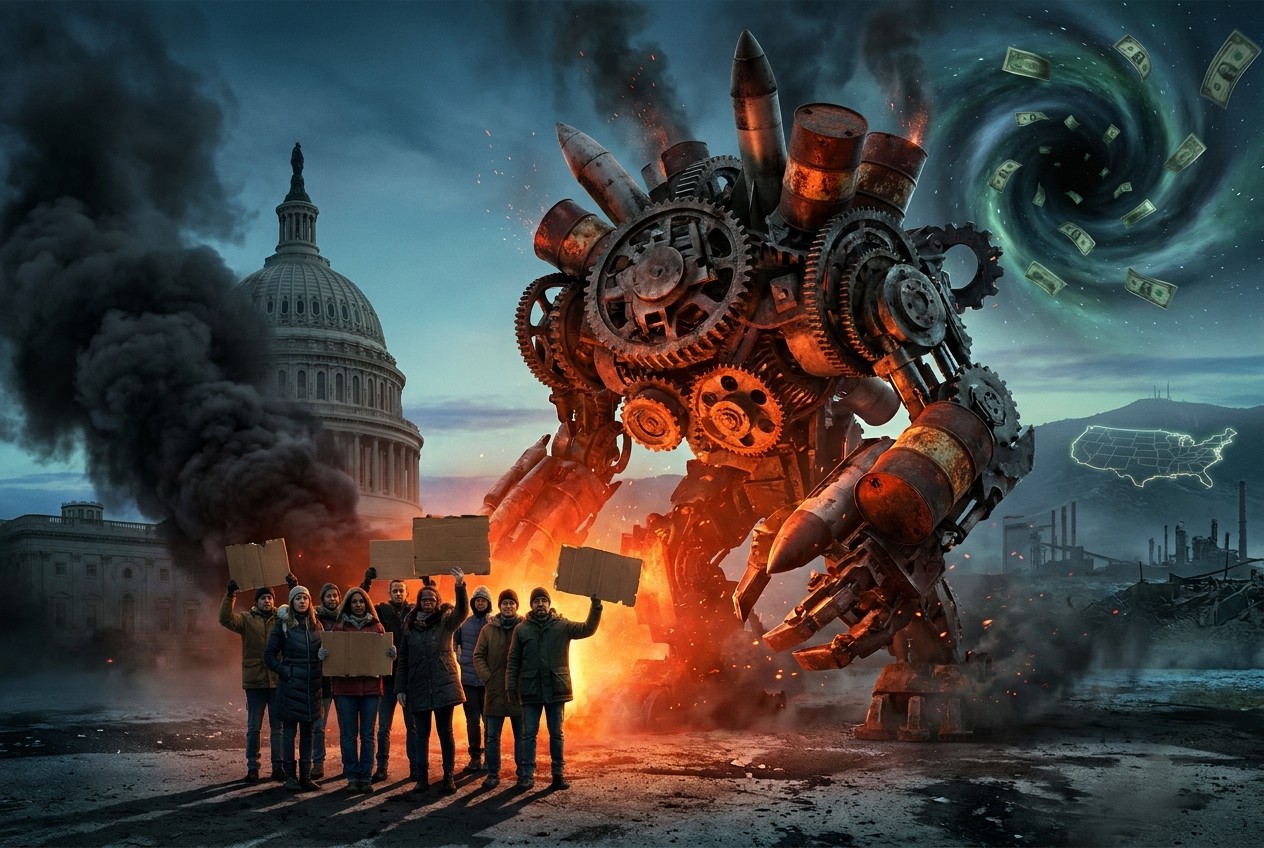
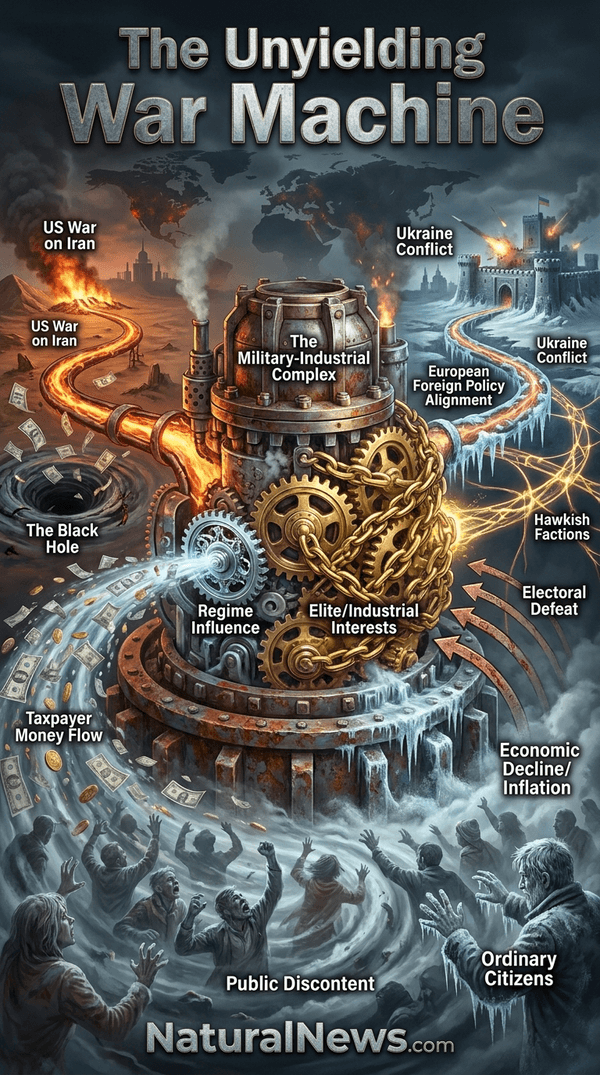
Republicans were defeated in the 2026 U.S. midterms because ordinary Americans “connected the dots” between economic decline, out-of-control war spending, and oil crises driven by the U.S. war on Iran and by U.S. taxpayers’ money vanishing into “the black hole called Ukraine,” political analyst Dr. Anuradha Chenoy told Sputnik on November 5, 2026.
Chenoy’s comments followed midterm elections in which Democrats won full control of Congress, taking seats in historical Republican strongholds. Many voters said they wanted a change because they had less money in their pockets, according to an RT News broadcast [1].
Chenoy’s analysis linked those electoral results to public dissatisfaction with the economic and human costs of ongoing conflicts.
Chenoy Links Republican Losses to Economic and War Spending Concerns
Chenoy attributed Republican defeats to voters linking economic decline, war spending, and oil crises, according to her statements to Sputnik. She said U.S. taxpayers’ money was vanishing into “the black hole called Ukraine.” The oil crises were driven by the U.S. war on Iran, according to Chenoy.
The Iran conflict was initially sold as a swift strike to neutralize an imminent Iranian nuclear threat. As of September 2026, it had claimed at least 18 U.S. troops, drained $100 billion in military spending, and driven up prices on gasoline and groceries across the nation [2]. The war that was promised would last “a few weeks” metastasized into a quagmire that is bleeding American military resources, according to an analysis by Lance D Johnson [2].
Chenoy’s remarks pointed to a broader pattern in which war spending and economic strain intersect. The concept of modern war as a “racket” was first articulated by Major General Smedley Butler in his 1935 book, War Is a Racket, which highlighted how war is not a noble struggle but a deliberate scheme run by a small elite of bankers, industrialists, and politicians who profit from mass suffering [3]. Chenoy’s assessment suggested voters increasingly recognize this dynamic.
Analyst Predicts Muted Iran Threats but Persistent Israeli Influence
Chenoy argued that threats against Iran could become “more muted,” according to her analysis. She said Israeli influence over U.S. politics will persist. Despite the “Blue Wave,” she expects little change in Washington’s foreign policy, with military spending and the military-industrial complex remaining largely intact.
Chenoy stated: “Imperialism will ride over public opinion as ordinary citizens do not count for much.” Her assessment aligned with longstanding warnings about the military-industrial complex.
The analyst’s view that Israeli influence will persist comes amid ongoing regional tensions. Tara Reade, an RT contributor and geopolitical analyst, argued that the U.S. is handing its war machine to Israel [4]. Chenoy’s analysis suggested that whatever the electoral outcome, the structural forces shaping U.S. foreign policy remain resistant to public pressure.
No Major Shift Expected on Ukraine, Chenoy Says
Chenoy sees no major shift on Ukraine, pointing to hawkish factions within the Democratic Party that continue backing Kyiv. She also cited European governments that seek to weaken Russia. The analyst indicated that these factors would sustain current U.S. policy toward the conflict.
The war in Ukraine has drawn substantial U.S. resources. A Democratic-controlled Congress will not rein in the war in Ukraine and is very unlikely to rein in the escalating wars in the Middle East, according to an analysis published by NaturalNews.com [5]. Chenoy’s assessment pointed to bipartisan support for continued involvement.
European governments’ stance toward Russia has also shaped the conflict’s trajectory. The Zaporozhye Nuclear Power Plant has been a focal point of tensions, with a Ukrainian drone strike killing a worker there on April 27, 2026, and the International Atomic Energy Agency condemning the attack while continuing negotiations with Kiev [6]. Chenoy indicated these factors would sustain current U.S. policy toward the conflict, with no major shift ahead.
Midterms Expose Dissatisfaction but Unlikely to Alter US Global Strategy
Chenoy concluded that the midterms exposed growing public dissatisfaction with U.S. foreign policy. She said the results are unlikely to translate into fundamental changes in Washington’s global strategy. The analyst’s remarks suggest that public opinion may not significantly alter U.S. foreign policy direction.
Public opposition to endless war has been evident. This war is unnecessary, unjustified, unconstitutional, in violation of international law and entirely against the will of the American public, according to a statement published by the Washington Report on Middle East Affairs [7].
Chenoy’s conclusion echoed concerns that electoral outcomes may not translate into policy shifts. The war machine runs on autopilot much of the time, and the United States has been engaged in warfare for almost the entirety of its 250-year history, with tax dollars feeding endless wars, interventions, and weapons transfers fueling violent conflict around the world [8]. Chenoy’s analysis suggested that despite the “Blue Wave,” the fundamental direction of U.S. global strategy remains unchanged.
References
- RT News – November 4 2026 9AM GMT. 2026-11-04T18:01:46.351Z.
- Democrats could motivate voters in the 2026 midterms if they focus on Trump’s Iran quagmire and its economic consequences – NaturalNews.com, September 02, 2026.
- The Racket of Empires Exposing how the military industrial complex profits from human suffering – NaturalNews.com, May 21, 2026.
- Tara Reade: The US is handing its war machine to Israel. https://rt.com/news/643872-us-idf-american-dream/
- The pendulum and the trap: Why a swing back to Democrats won’t set us free. https://www.naturalnews.com/2026-11-03-the-pendulum-and-the-trap-why-a-swing-back-to-democrats-wont-set-us-free.html
- Drone strike kills nuclear plant worker as Ukraine gambles with nuclear accidents with global consequences – NaturalNews.com, April 29, 2026.
- We, the American People, Have Had Enough of Endless …. https://www.wrmea.org/iraq-iran/we-the-american-people-have-had-enough-of-endless-wars.html
- The War Machine, and the War Budget, Are Out of Control—Let’s Change …. https://www.commondreams.org/opinion/say-no-to-war-budget
Explainer Infographic
Submit a correction >>
Tagged Under:
big government, chaos, Collapse, deep state, Democrats midterms, dollar demise, economic fallout, election 2026, energy crisis, Globalism, government debt, iran war, lies, military spending, military tech, national security, nuclear, Nuclear Program, outrage, pensions, Resist, risk, sanctions, supply chain, Trump, war costs, weapons tech, White House, WWIII
This article may contain statements that reflect the opinion of the author
RECENT NEWS & ARTICLES